5 Minutes to Understand How Traction Home Elevators Work
Installing a home elevator can often seem like a daunting challenge for families who don't have an in-depth understanding of how elevators are constructed. Among the many types of home elevators, the traction home elevator, with its advanced rope pulley system (as opposed to the traditional hydraulic piston drive), is the ideal choice for modern multi-story homes. This five-minute guide will help you unlock the mysteries of the traction elevator and help you master this key piece of home-improvement knowledge.
What Makes Traction Elevators Unique?
The operation of traction elevator relies on the cooperation of traction machine drive and counterweight system to realize the smooth lifting and lowering of the car. Compared with hydraulic elevators, it has a number of significant advantages:
lQuieter & Faster Ride
Speeds range from 0.4 to 1.0 m/s, ideal for threestory-plus homes.
lEnergy Efficiency
A counterweight balances roughly 40–50 % of the cabin’s load, so the traction machine only works against the difference in weight plus friction.
lSpaceSaving Design
Modern MRL elevator tuck the traction machine into the shaft, eliminating bulky machine rooms and freeing up space.
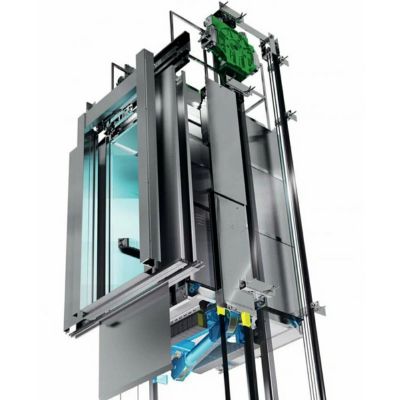
While hydraulic elevators still have a place—often in two or threestory homes where upfront cost or low overhead clearance is a priority—traction systems excel where speed, quietness, and longterm energy savings matter most.
Core Working Principle
Traction elevators operate on a balance of friction, weight, and control, distinct from hydraulic systems. Here’s how they work:
lSteel Ropes or Belts
A high-torque motor powers the grooved sheave. Steel ropes loop around it, generating traction through friction. The sheave grips the ropes securely as the motor turns.
lCounterweight
One end of each rope connects to the car, the other to a counterweight. Sized at 40–50% of the car’s rated load plus its empty weight, it balances the system, reducing motor workload.
lRope & Compensation
Ropes wrap 1–2 times around the sheave for better grip. In tall buildings, a compensation system balances rope weight to avoid uneven forces.
lPrecision Control
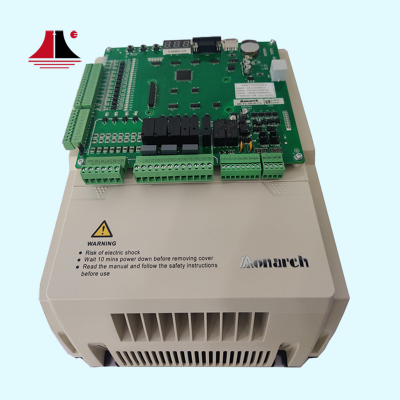
A VVVF microprocessor controls speed and direction. Leveling sensors ensure ±5 mm accuracy at landings, while door interlocks keep the car stationary until doors close.
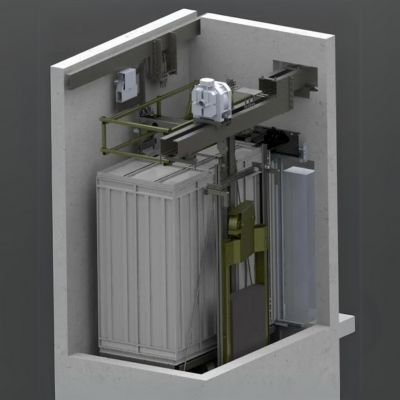
This efficient design makes traction elevators reliable for multi-story homes.
Key Components
Every traction home elevator is built around a handful of essential parts:
| Component | Role |
| Holds 2–6 people (200–450 kg capacity); available in glass, wood, or steel finishes. | |
Shaft | Vertical guide rails enclosed in a shaft, typically 1 000 × 1 000 mm to 1 500 × 1 500 mm. |
| Motor & Sheave | Drives rope movement; mounted at shaft top or in MRL unit. |
| Counterweight | Balances cabin weight for efficient operation. |
| Ropes/Belts | Loop around sheave, transmitting motion. |
| Control System | Microprocessor that coordinates calls, levels cabin to ±5 mm, and manages doors. |
| Safety Gear | Includes overspeed governor, emergency brakes, door interlocks, and buffers. |
These components work in concert to deliver a smooth, reliable ride every time.
Installation Simplified
Installing a traction home elevator involves a few key steps and measurements:
lSpace Requirements
nShaft: Minimum pit depth 150 mm; overhead clearance ≥ 2 100 mm above the top floor.
nFootprint: A typical hoistway of 1 500 × 1 500 mm accommodates most MRL models.
lStructural Support
Reinforce walls and floors to bear dynamic loads—guide rails, motor brackets, and safety buffers must be securely anchored.
lElectrical Supply
230 VAC single or threephase circuit plus wiring for battery backup during power outages.
With careful planning and an experienced installer, disruption to your home is minimal—typically limited to dust control and temporary floor protection.
Safety & Efficiency
Traction elevators are engineered to meet or exceed stringent international standards (EN 8120/50 and ASME A17.1):
lEmergency Brakes & Governors: Mechanical governors clamp the car to guide rails if overspeed is detected.
lDoor Interlocks & Sensors: Prevent the cabin from moving unless doors are fully closed and prevent doors from closing on passengers.
lBuffers: Hydraulic or spring buffers at shaft base absorb impact in a rare freefall scenario.
lBackup Power & Lighting: Batteries bring the car to the nearest landing and power cabin lights during outages.
Choosing the Right Model
When selecting a traction elevator for your home, consider:
lCapacity & Size
Choose a cabin that fits your family’s needs—common options are 200 kg, 300 kg, and 450 kg.
lNumber of Stops
Plan for 2–5 stops (floors). If you add attic or basement stops, factor in extra installation time.
lMRL Models place the motor in the shaft—no separate room needed.
lAesthetic Customization
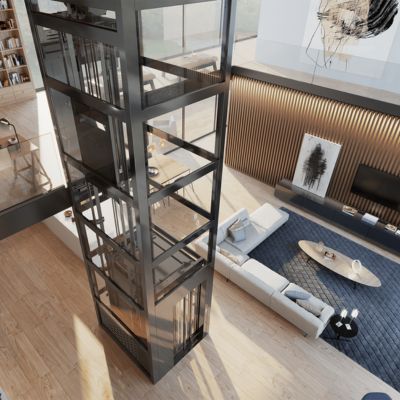
FUJITA offers glass enclosures, stainlesssteel panels, wood veneers, and bespoke lighting to match any décor.
lBudget & Efficiency
While MRL traction systems cost 15–30 % more upfront than comparable hydraulic models, the longterm energy and maintenance savings make them a smart investment.
By balancing these factors—capacity, stops, space, style, and cost—you’ll find a FUJITA traction elevator that fits seamlessly into your home.
Why FUJITA Traction Elevators?
At FUJITA, we’ve specialized in traction elevator engineering for over 20 years. Here’s why homeowners choose us:
| Advantage | FUJITA Benefit |
| MRL Innovation | Spacesaving design with no machine room required. |
HighEfficiency Motors | Permanent magnet drives and regenerative braking maximize savings. |
| Unmatched Safety | Redundant brakes, sensors, and backup systems exceed global standards. |
Custom Finishes | From frameless glass to rich wood panels—design your perfect cabin. |
When you partner with FUJITA, you gain a trusted ally committed to quality, safety, and style.
Conclusion
Traction home elevators combine speed, quiet operation, and energy efficiency—ideal for modern multistory homes. Now that you understand their core components, operation, and safety features, you’re ready to take the next step.
Ready to elevate your home? Contact FUJITA today for a free consultation and discover our full range of traction home elevators. Let’s work together to bring seamless accessibility, lasting value, and elegant design to your residence.