Steel vs. Concrete Elevator Shafts: Which Is Right for You?
Choosing the right elevator shaft is the first and one of the most important decisions in installing an elevator. If you've never worked with an elevator before, you may not know which is better for your building, a sleek steel shaft or a sturdy concrete shaft. Each option has distinct advantages and disadvantages, and the best choice depends on the project's timeline, budget, design goals, and performance needs.
In this article, we'll explain how to choose the best shaft structure for your project.
What Is an Elevator Shaft?
Before we compare materials, let’s define the elevator shaft. The shaft is the vertical “tunnel” that houses:
lThe elevator car (where passengers ride)
lGuide rails that keep the car aligned
lCables or belts that lift and lower the car
lSafety buffers at the bottom
lWiring and control equipment
The shaft must be strong, stable, and perfectly straight to ensure the elevator runs smoothly, safely, and quietly. Choosing the right construction material—steel or concrete—affects cost, speed of installation, noise levels, and long-term durability.
Steel-Structure Elevator Shafts
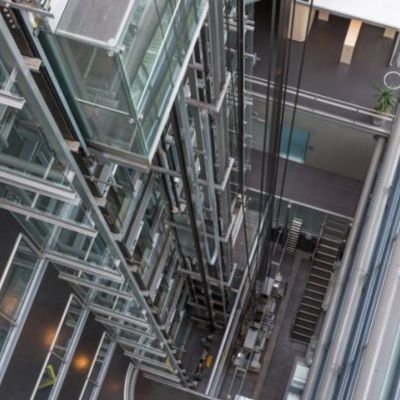
Steel shafts use a prefabricated metal frame, often with glass or metal panels. These components are manufactured off-site and then assembled quickly on-site. Here’s what to expect:
Advantages of Steel Shafts
lFast Installation
Prefab steel sections snap together in about 15–20 days, speeding up your overall project timeline.
lModern Aesthetic
Sleek steel frames—often paired with glass—create a shiny, contemporary look. You can even install a panoramic (observation) elevator for a stunning visual feature.
lGood Daylight
If you choose glass panels, natural light floods the shaft, keeping interior hallways bright without extra windows.
lProven Techniques
Steel-frame construction is well-established. Engineers and contractors know the steps, reducing surprises during installation.
Drawbacks of Steel Shafts
lLess Soundproof
Steel transmits noise more easily, so nearby rooms may pick up elevator and external sounds.
lStrict Waterproofing
The metal frame must be sealed carefully to keep out water. Any leak can lead to rust and equipment damage.
lHeat and Insulation
Steel gets hot in summer and cold in winter. Without extra insulation, the shaft’s temperature can fluctuate—impacting car electronics and passenger comfort.
lCorrosion Risk
To prevent rust, you’ll need regular anti-corrosion treatments, adding to maintenance costs.
lPossible Flexing
In rare cases—especially in very tall shafts or under heavy loads—steel frames can bend slightly. This demands careful engineering and occasional checks.
lGlass Breakage
If you opt for a glass facade, tempered glass panels can shatter unexpectedly, so safety glazing and proper mounting are essential.
Concrete Elevator Shafts
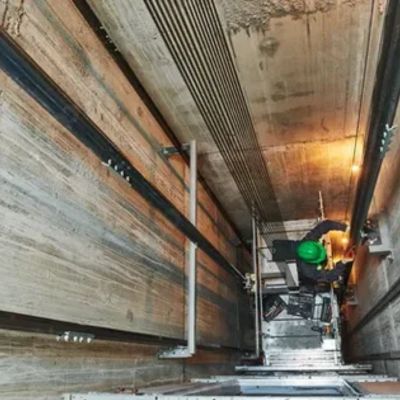
Concrete shafts are built in place or with large precast panels. They form a solid “box” around the elevator, offering a different set of benefits and challenges:
Advantages of Concrete Shafts
lSuperior Rigidity
The solid concrete walls resist vibrations and external loads better than steel, giving the car a rock-steady ride.
lLong-Lasting Durability
Properly cast concrete can last decades with minimal upkeep, lowering your long-term maintenance costs.
lExcellent Insulation
Concrete holds temperature well, keeping the shaft—and thus the elevator car—cooler in summer and warmer in winter.
lNoise Reduction
The dense walls block both external noise and elevator sounds, making rides quieter and more comfortable.
Drawbacks of Concrete Shafts
lSlower Construction
Concrete shafts involve on-site formwork or panel installation, curing time, and careful quality checks. This process can take weeks or months—longer than steel assembly.
lComplex Process
Building a concrete shaft requires precise pouring, curing, and waterproofing steps. You’ll need skilled crews and strict quality control to avoid cracks or leaks.
lLimited Aesthetic Flexibility
While you can add finishes or paint, concrete tends to look more utilitarian. It lacks the sleek, transparent appeal of glass-clad steel frames.
Comparison
| Feature | Steel Shaft | Concrete Shaft |
| Installation Speed | Very fast (≈15–20 days) | Slower (weeks to months |
| Visual Appeal | Modern, can include glass for transparency | Functional, uniform |
| Natural Light | Excellent with glass panels | Limited |
Noise Control | Moderate—needs extra soundproofing | Excellent insulation and quiet rides |
Thermal Performance | Poor—requires extra insulation | Good natural insulation |
Durability | Requires anti-rust work; moderate lifespan | Very durable; low long-term maintenance |
Construction Complexity | Prefab assembly; straightforward | Complex formwork and curing processes |
Maintenance Needs | Moderate (anti-corrosion, sealing) | Low (periodic checks, sealing as needed) |
Design Flexibility | High—custom shapes and glass cladding possible | Lower—mostly straight walls, finishing options |
How to Choose the Right Shaft?
To pick steel or concrete, consider these factors:
lTimeline & Project Schedule
Need an elevator up and running fast? A steel shaft’s quick assembly can save weeks. If you have a longer timeline, concrete’s slower build may be fine.
lBudget & Lifecycle Costs
Steel shafts often cost more in ongoing maintenance (anti-rust treatments, sealing, insulation). Concrete may have higher upfront costs but lower upkeep.
lAesthetic Goals
Want a showpiece elevator or panoramic views? Steel with glass panels offers unmatched visual impact. For a discrete, functional shaft, concrete works well.
lNoise & Comfort
In quiet residential buildings or offices, concrete’s natural soundproofing creates a peaceful ride. Steel shafts may need extra insulation to match that level.
lStructural Needs
For very tall or heavy-load applications, concrete’s rigidity can provide superior stability. Steel still works well with proper engineering, but check for potential flex.
lMaintenance Capacity
If your building team prefers minimal maintenance, concrete’s low-upkeep nature is an advantage. Steel shafts demand periodic checks and coatings.
By weighing these factors against your building’s priorities, you’ll choose the shaft type that best balances speed, appearance, comfort, and cost.
Conclusion
Whether you select a sleek steel frame or a sturdy concrete shaft, understanding each material’s strengths helps you make the right choice for your project. Steel shafts shine with quick installation and modern design, while concrete offers unbeatable quiet, insulation, and long-term durability.
Ready to discuss your elevator shaft options? Our team at FUJITA specializes in custom elevator solutions—steel, concrete designs. Contact us today for a free consultation and learn how FUJITA can deliver the perfect shaft and elevator combination for your building.